Cashback Rewards: Mapping Their Growing Role in Sustaining Interest Beyond Welcome Packages
Written by Xander Reed · Oct 13, 2026
Cashback Rewards: Mapping Their Growing Role in Sustaining Interest Beyond Welcome Packages
Operators across multiple markets have shifted focus toward cashback structures that return a percentage of losses over defined periods, and this approach has gained traction since welcome offers alone no longer maintain long-term engagement, according to industry reports from the American Gaming Association. Data collected through October 2026 shows platforms layering tiered cashback rates that scale with activity levels, which creates ongoing incentives after initial deposit matches expire.
Mechanics Behind Cashback Structures
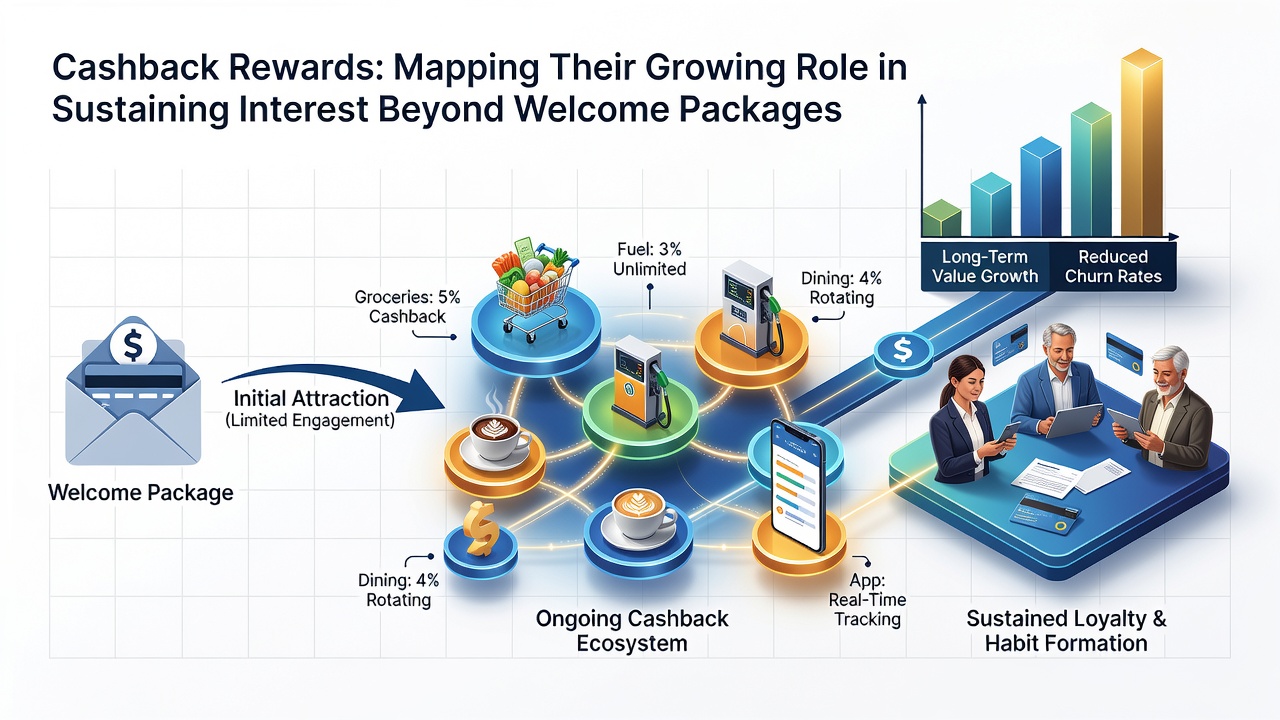
Players receive automatic returns calculated on net losses during weekly or monthly cycles, with rates typically ranging from five to twenty percent depending on loyalty tier and volume, while operators set minimum thresholds that filter casual participation. Systems track these figures through integrated account dashboards that display real-time accrual, and adjustments occur automatically when users move between tiers based on cumulative stakes. Research from academic sources such as the University of Nevada Reno Gaming Research Center indicates that cashback formulas often incorporate caps on maximum weekly payouts to control operator exposure while still delivering visible value to active accounts.
Retention Patterns After Initial Bonuses
Studies tracking user behavior reveal that accounts receiving structured cashback maintain higher session frequencies once welcome packages conclude, whereas those limited to one-time incentives show steeper drop-off rates within thirty days. Figures released in late 2026 from regulatory summaries in multiple jurisdictions highlight a measurable uptick in repeat deposits among cashback participants compared with cohorts using only sign-up promotions. Platforms adjust these programs seasonally to align with major sporting calendars, and October 2026 data pointed to elevated participation rates around football and horse racing fixtures where loss-return percentages were temporarily boosted.
Regional Variations in Implementation
European operators tend to emphasize weekly cashback tied directly to verified losses across sports and casino verticals, whereas North American platforms often integrate cashback with loyalty points that convert at fixed exchange rates. Australian regulatory filings from state gaming authorities document similar models that require clear disclosure of terms including qualifying game types and settlement timelines. These differences reflect local licensing conditions yet share the common thread of using cashback to bridge gaps between promotional periods and sustained play.
Integration With Broader Loyalty Frameworks
Cashback rarely stands alone; instead it combines with accumulator enhancements, free bet triggers, and deposit matches that activate once certain loss thresholds are met. Operators report that such stacking increases the perceived continuity of value, and account analytics from multiple sites indicate users who engage with combined structures complete more transactions per month. One study released by a Canadian research consortium in 2026 examined over two million player records and found that cashback recipients advanced through loyalty levels at roughly double the pace of non-participants during equivalent time frames.
Operational Considerations for Platforms
Technical teams must maintain precise loss-tracking algorithms that exclude certain bet types or promotional credits from cashback calculations to prevent abuse, while compliance departments review these rules against licensing requirements in each market. Settlement usually occurs within twenty-four to seventy-two hours after cycle close, and automated notifications inform users of pending credits. Platforms that introduced cashback in 2025 noted measurable reductions in customer support queries related to expired bonuses, since returns apply continuously rather than through time-limited codes.
Conclusion
Cashback mechanisms have expanded from supplementary features into core retention tools across betting and gaming sectors, supported by retention statistics gathered through October 2026. Operators continue refining percentage rates, eligibility windows, and integration points with other promotions to match evolving player expectations. Available data from regulatory and academic channels demonstrates consistent patterns of extended engagement when cashback operates alongside existing loyalty systems, shaping how platforms structure ongoing value delivery after initial acquisition offers conclude.